

Quick Test #2: Morning Stiffness — Heat or Ice?

Morning stiffness and joint pain are common in seniors 60+. This quick “A/B” test helps you decide whether heat therapy or ice is the better first step.
Quick Test (A/B)
Your joints feel stiff in the morning. What helps most when it’s stiffness without visible swelling?
Reveal the answer
Swollen / hot / red → start with ice (and consider medical guidance if it’s sudden or severe).
When Heat Wins (Stiffness Without Swelling)
Heat is a great “start your engine” tool. It can help you feel more comfortable and flexible before you begin your day – especially with arthritis‑type stiffness.
- Warm shower (let warm water run over the stiff area)
- Warm towel or microwaveable heat pack
- Heating pad on low with a cloth layer
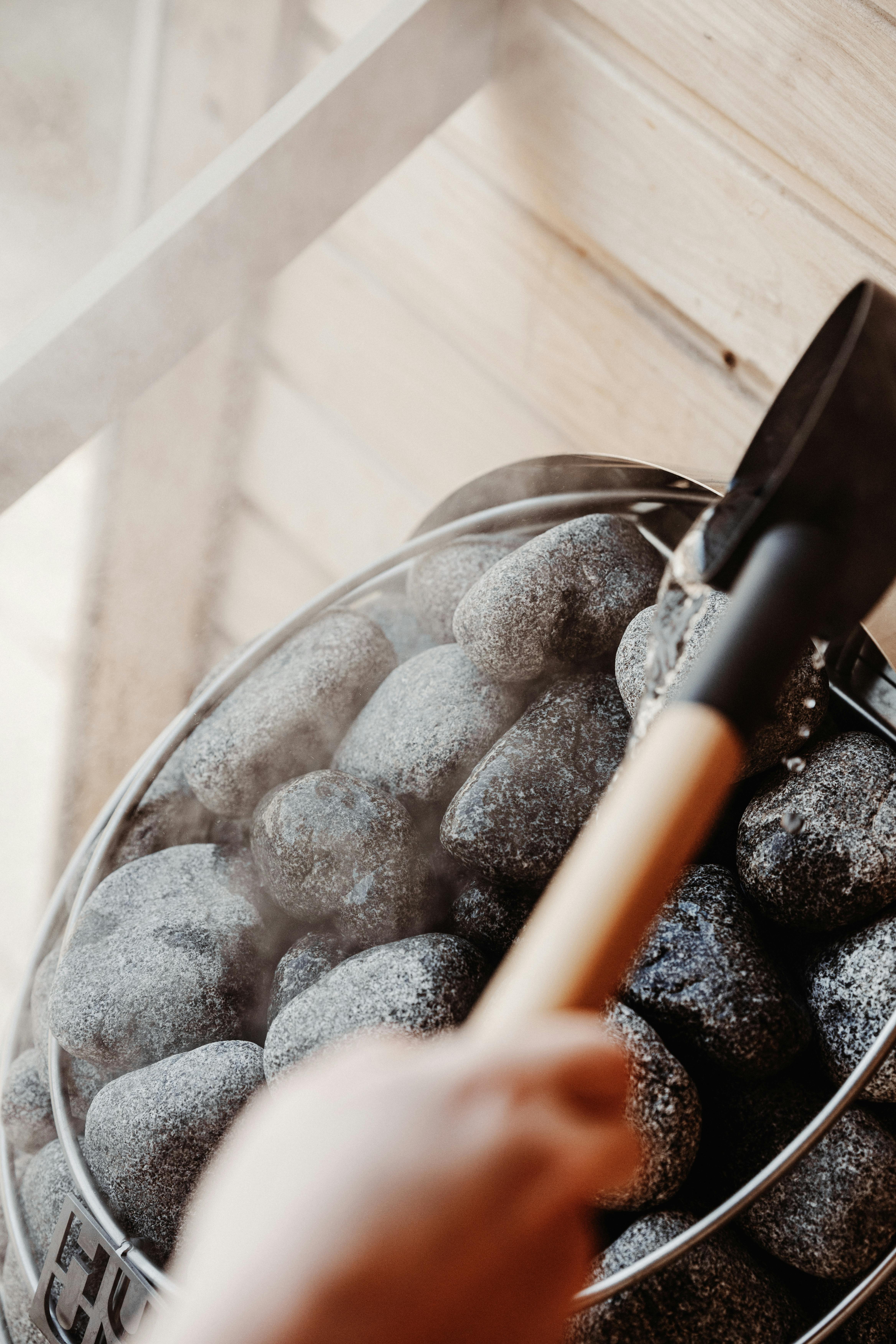
When Ice Wins (Swelling, Warmth, “Angry” Joint)
Ice (cold therapy) is often the better first choice when a joint looks or feels inflamed: swollen, warm, or tender – especially after a flare, a twist, or a busy day on your feet.
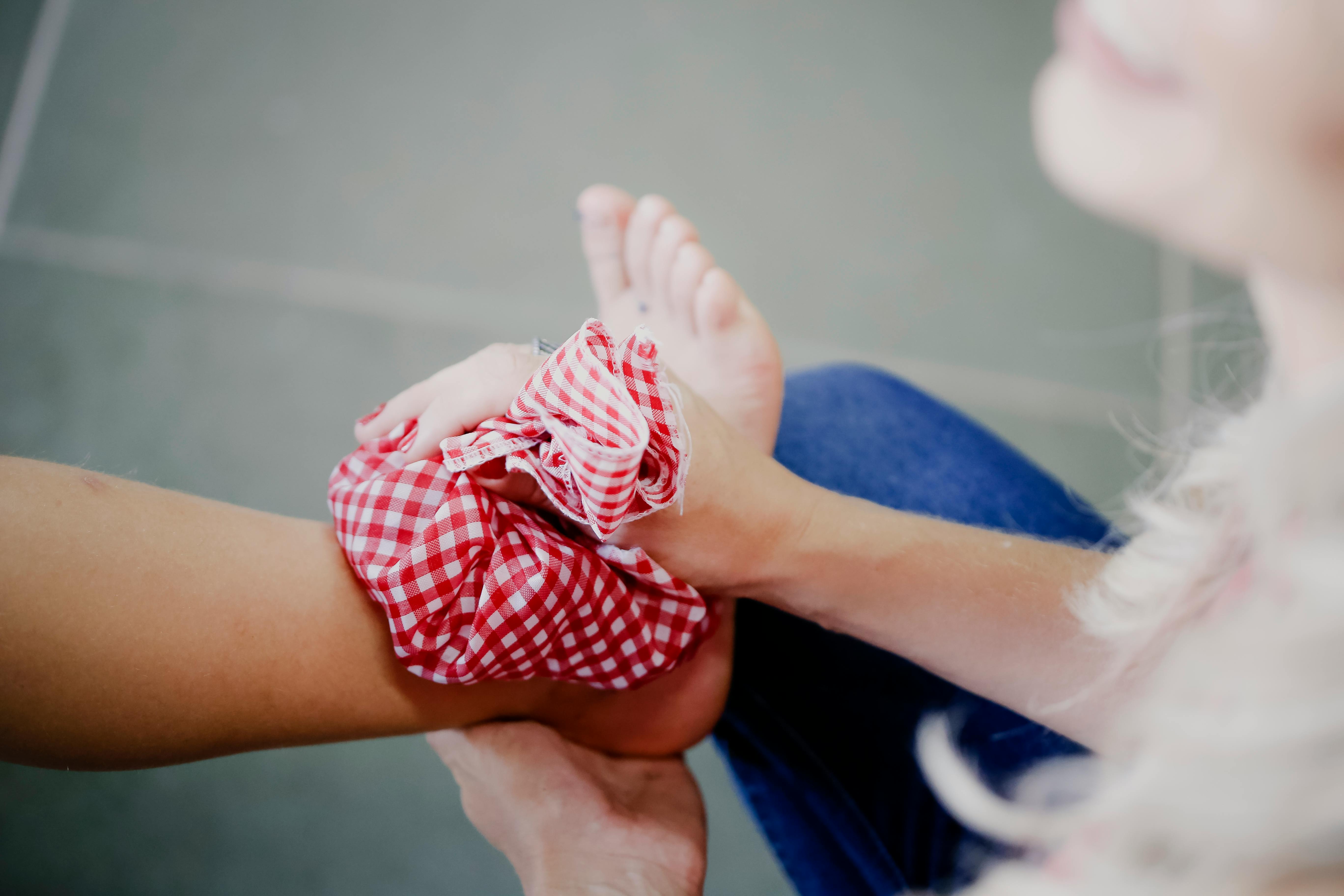
- You see puffiness or swelling
- The area feels hot or looks red
- Pain increased after activity
- It’s a new sprain/strain or a sudden flare
2‑Minute “Warm & Move” Routine (No Exercises on Camera Needed)
If your main problem is stiffness (not swelling), try this simple flow. You can do it while you wait for coffee or tea.
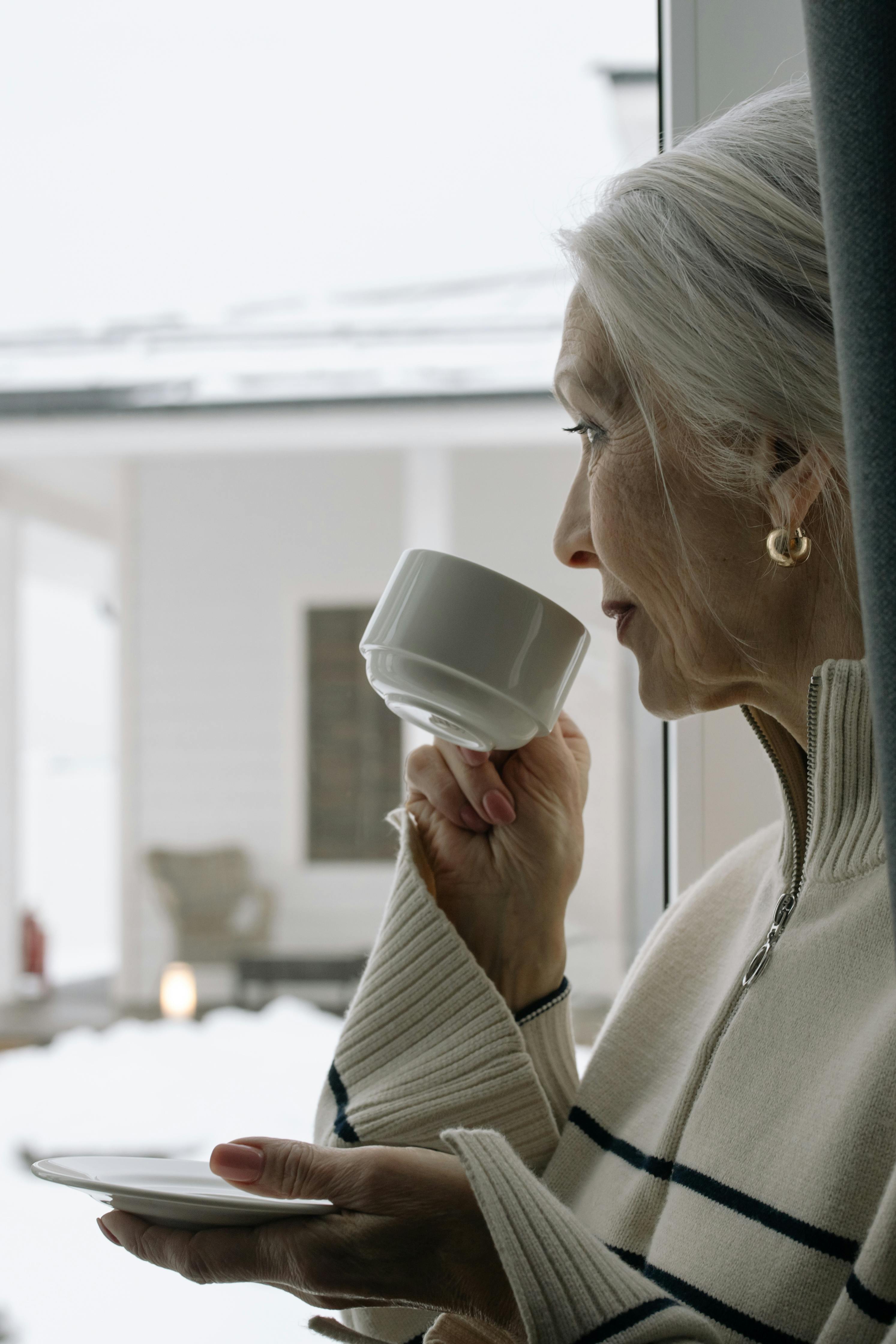
- Warm (30–60 seconds): hold a warm mug, take a warm shower, or use a warm towel on the stiff joint.
- Gentle motion (30–60 seconds): slow shoulder rolls, open/close hands, ankle circles, or a slow march in place.
- Easy start (30 seconds): take a few relaxed steps (or stand and sit once or twice) to “tell the joint it’s safe to move.”
Safety Tips (Please Read)
- Use gentle warmth, not “too hot.”
- Place a cloth layer between heat and skin.
- Keep sessions short (common guidance is up to ~15–20 minutes).
- Avoid heat on a joint that’s hot, red, and swollen.
- If you have reduced sensation (e.g., neuropathy), be extra careful.
- Never place ice directly on skin – use a towel barrier.
- Use short sessions (often 10–20 minutes).
- Stop if skin becomes very pale, painful, or numb.
- Avoid cold if you have circulation problems unless cleared by a clinician.
Red Flags: When to Get Help
- Sudden swelling with redness and heat
- Fever or feeling unwell with joint symptoms
- Inability to bear weight, severe weakness, or a fall/injury
- New numbness/tingling, or a rapidly worsening joint
Next in the Series
Next episode continues the “quick test” format-simple choices that make joint-friendly habits feel easy to follow.