

Quick Test #3: Swollen After Activity — Heat or Ice?
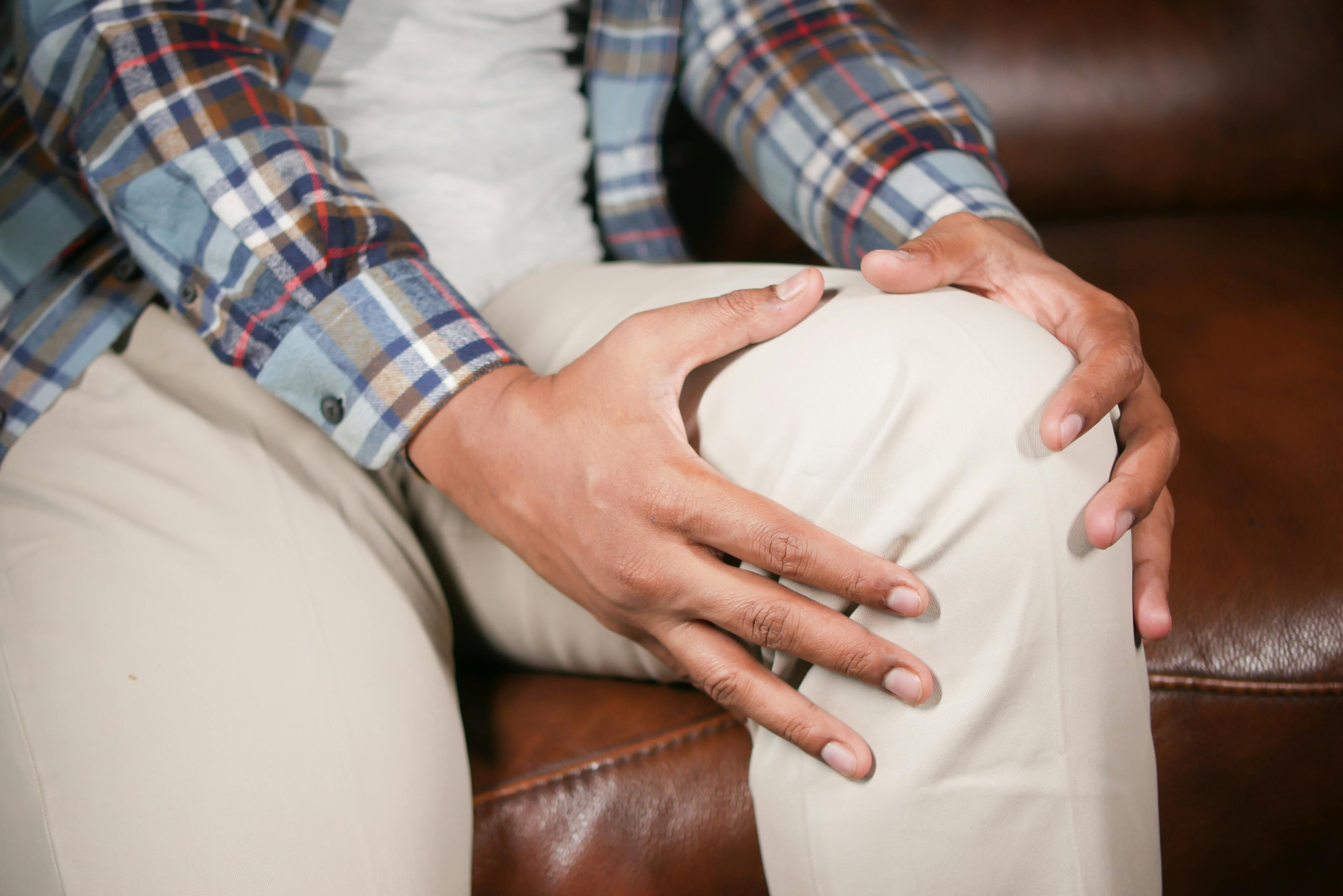
If your knee, ankle, or hand feels puffy after a walk or busy day, this quick “A/B” test helps you decide whether heat or ice is the better first step.
Quick Test (A/B)
After walking or doing chores, your joint feels puffy or looks a bit swollen. What’s the better first choice?
Reveal the answer
Stiff (no swelling) → start with heat.
Why Ice Often Wins (After Activity Swelling)
When you “overdo it” even a little, tissues can get irritated. Cold therapy is commonly used to help reduce swelling and make the area feel less tender.
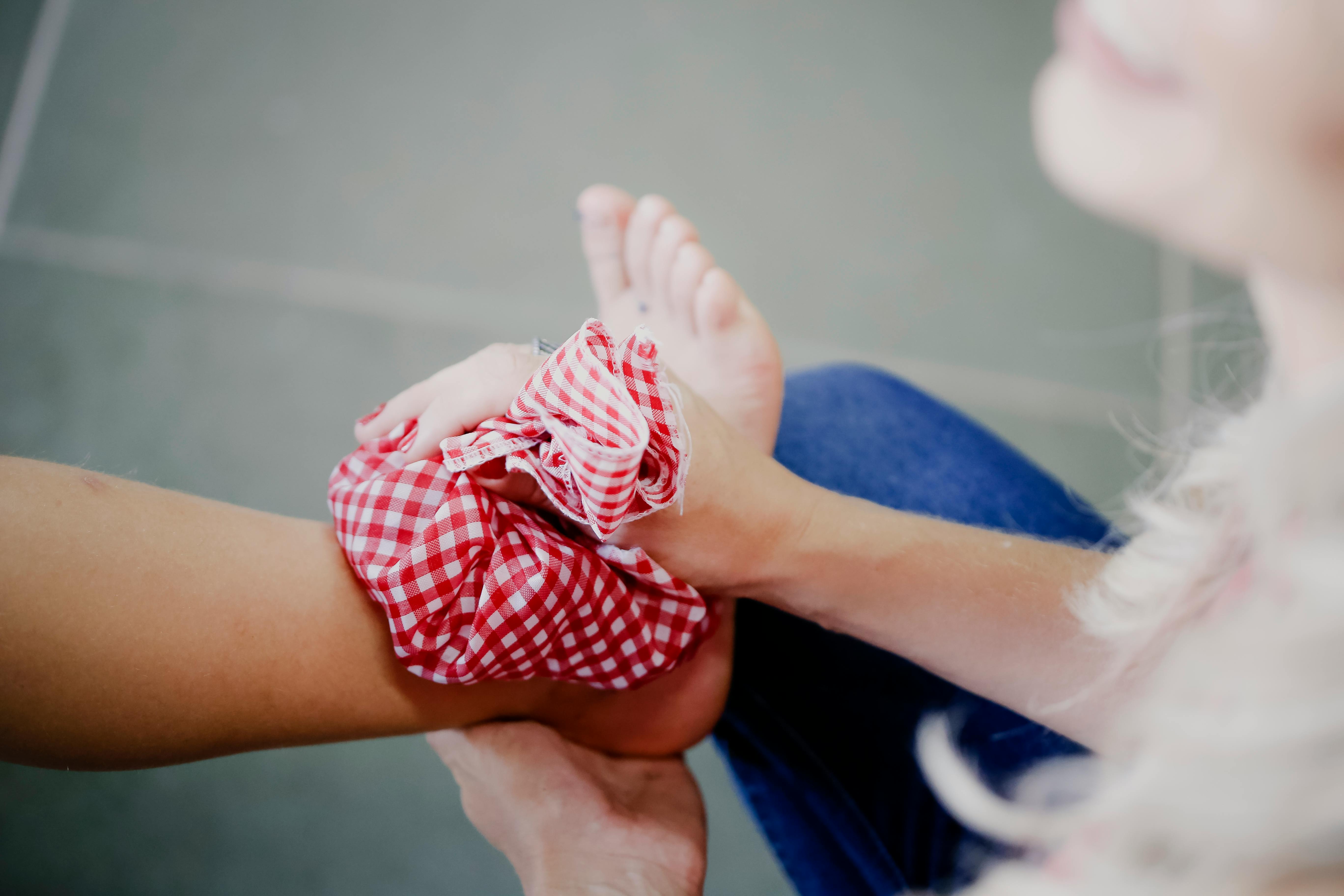
- You notice puffiness or swelling
- The joint feels tender after activity
- The area feels warm (a “flare” feeling)
- It’s a new irritation after extra steps or chores
When Heat Makes Sense (Stiff, Not Swollen)
Heat is often most helpful for stiffness and tightness—especially when swelling is not the main issue. Many people use heat before gentle movement to feel looser.
10‑Minute “Cool & Calm” Routine (After You Overdid It)
If your joint swelled after activity, try this gentle reset. No intense exercise needed—just comfort and smart pacing.
- Cool (10–20 minutes): cold pack wrapped in a towel.
- Elevate (if you can): rest with the leg supported on a pillow.
- Reduce the “dose” next time: shorter activity, more breaks, slower pace.

Safety Tips (Please Read)
- Never place ice directly on skin.
- Use a towel barrier.
- Use a timer (often 10–20 minutes).
- Stop if skin becomes very pale, very painful, or deeply numb.
- If you have circulation or nerve issues, ask a clinician first.
- Use gentle warmth, not hot.
- Always use a cloth layer.
- Keep sessions short (often up to ~20 minutes).
- Avoid heat on a joint that’s hot, red, and swollen.
- Do not fall asleep with a heating pad.
Red Flags: When to Get Help
- Sudden swelling with redness and heat
- Fever or feeling unwell with joint symptoms
- Inability to bear weight, severe weakness, or a fall/injury
- Swelling that keeps getting worse or doesn’t settle
Next in the Series
Next episode: Quick Test #4 — Warm‑Up First… or Just Start Walking?