

Quick Test #9: At Home — Slippers or Supportive Shoes?
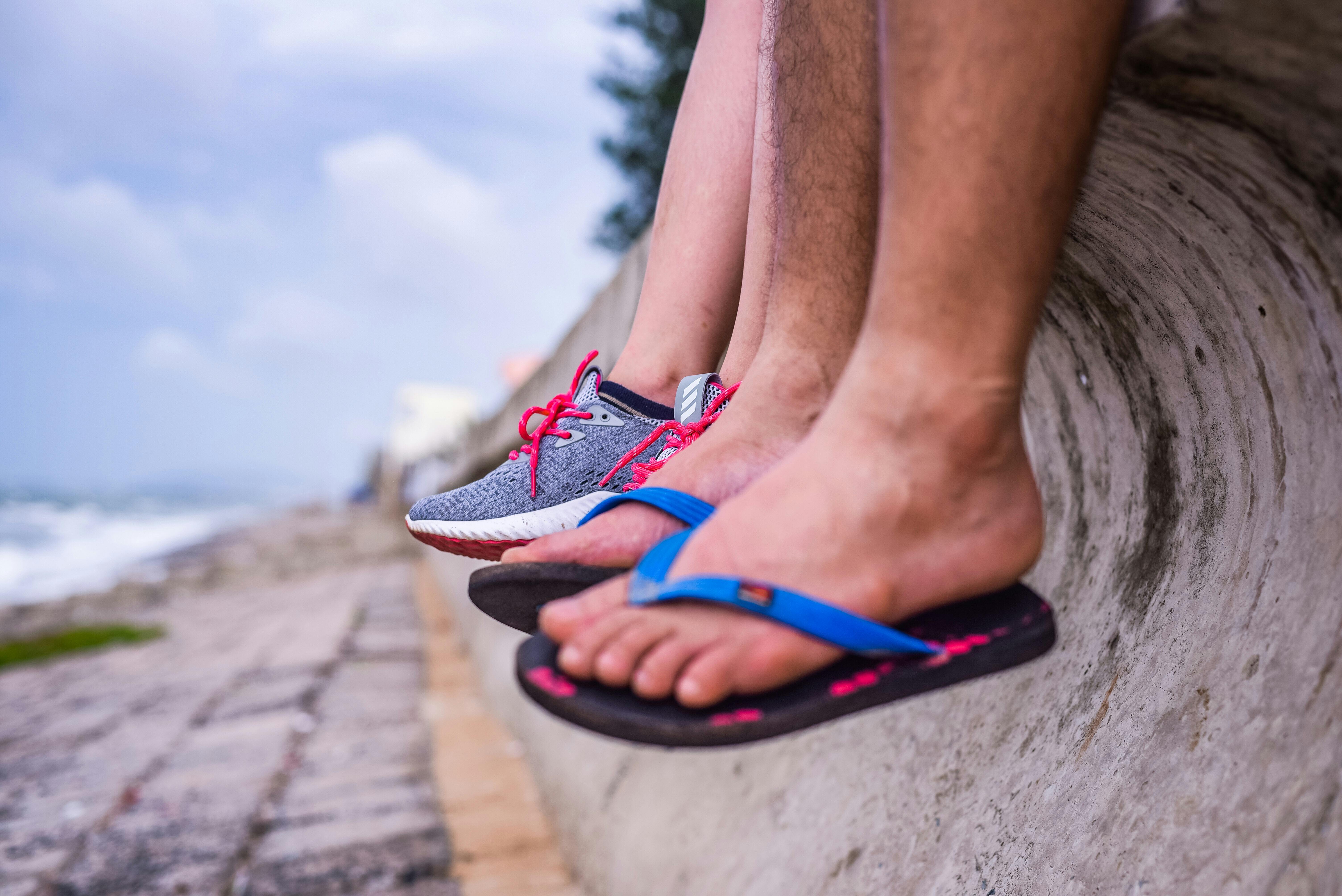
At home, it’s easy to forget that footwear affects balance, stability, and even how your joints feel. This quick “A/B” test helps you choose a safer default for everyday walking around the house.
Friendly reminder
This article is general education, not medical advice. If you have numbness, open sores, severe pain, a recent fall, or you feel faint,
consider seeking medical help.
In this post
Quick Test (A/B)
ONE QUESTION
When walking around your home—kitchen, hallway, bathroom—what’s the safer default for most people?
Option A
Slippers
Cozy… but sometimes loose
Option B
Supportive shoes
More grip • steadier base
Reveal the answer
✅ Answer: B) Supportive shoes
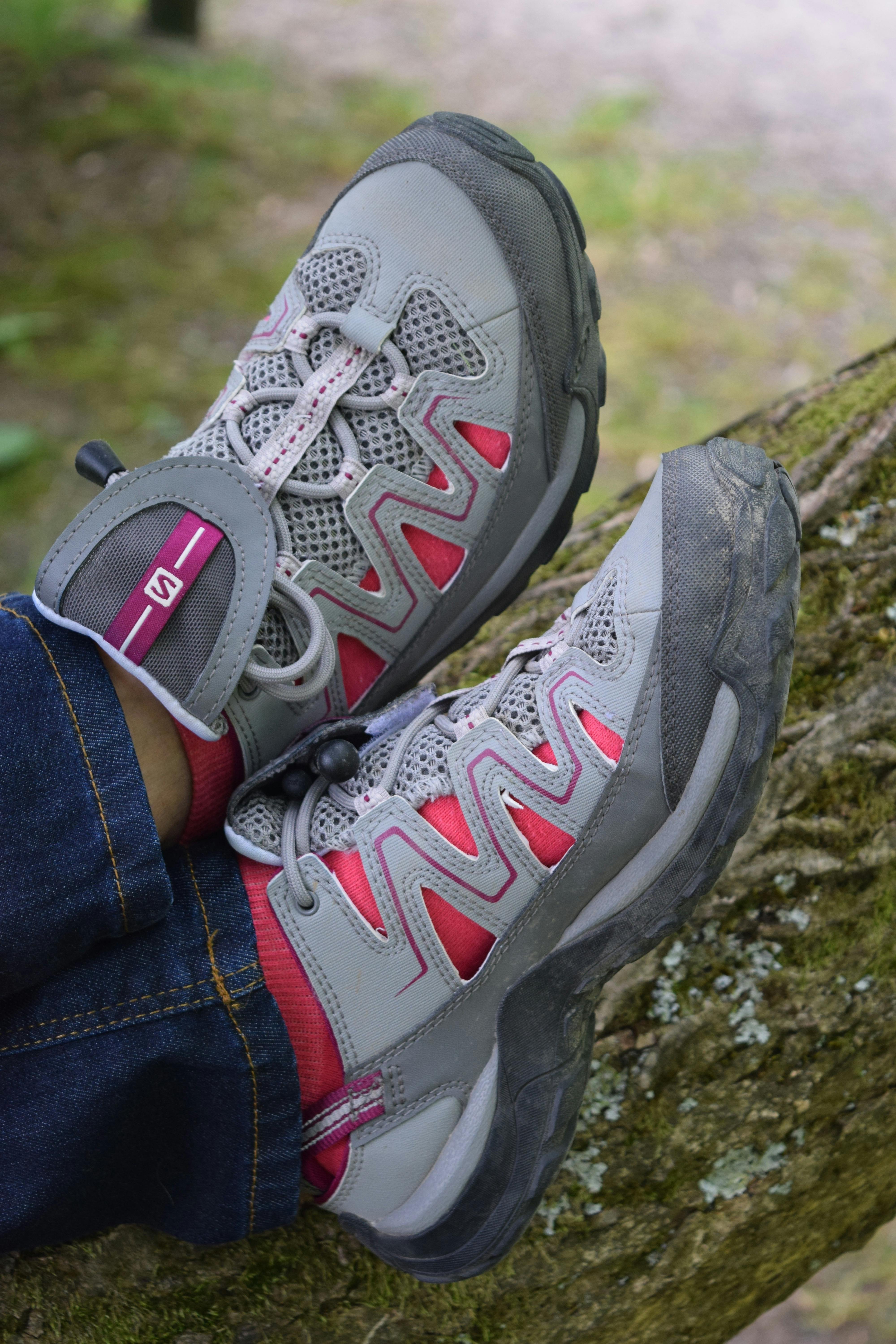
Supportive shoes often provide more traction and a steadier base—helpful for balance and safer steps at home.
Simple rule:
If your heel slips, the slipper flops, or the sole feels slick, it may not be the best “daily” indoor choice.
Why Supportive Shoes Often Win
Supportive shoes can help you…
- get better grip on smooth floors
- feel steadier and less “wobbly”
- reduce foot sliding inside the shoe
- walk with a calmer, more controlled step
If You Love Slippers (Upgrade, Don’t Quit)
Look for “better slippers”
- Closed heel or back strap
- Firmer sole (not floppy)
- Non‑slip tread
- Secure fit (no heel sliding)
Tip: If your slipper flops when you walk, your foot has to work harder to stay steady.
Quick Footwear Check (10 Seconds)
Ask these two questions
- Does your heel slide out?
- Does the sole bend like a taco?
If the answer is “yes”…
Consider switching to supportive shoes for your “daily” indoor walking—especially on tile or hardwood.
Extra Home Safety (Small Changes, Big Difference)
Clear floors
Remove clutter and loose cords.
Avoid loose rugs
They can slide underfoot.
Use night lights
Especially for bathroom trips.
Dry floors
Wet tile is extra risky.
When to Get Advice
Consider medical advice if you notice:
- Numb feet or reduced sensation
- Foot wounds, sores, or infections
- New sharp pain when walking
- Frequent dizziness or repeated near‑falls
- A recent fall with lingering pain